The Power of Luxury Branding: How to Elevate Your Brand to Iconic Status
In today's crowded marketplace, having a brand that stands out is essential, but creating a brand that exudes elegance and luxury takes it to another level. At Vénoir, we understand the nuances of luxury branding and how it can elevate your business to iconic status.
Luxury branding is defined by a few key characteristics that distinguish high-end brands from their more mass-market counterparts. These traits contribute to the perception of value, status, and sophistication that luxury brands consistently convey.
Luxury brands often create an air of exclusivity by limiting access to their products or services. This can be done through limited-edition items, exclusive events, or members-only clubs. Scarcity and limited availability make consumers feel they are part of a select group, enhancing the product’s perceived value.
Offering tailored services or bespoke products is a hallmark of luxury. Whether it’s custom designs, made-to-order items, or one-on-one consultations, personal touches elevate the client experience and make them feel valued and unique. Luxury brands are typically sold through exclusive channels such as flagship stores, private boutiques, or high-end e-commerce platforms. This reinforces the brand’s desirability by controlling where and how it is sold.
Luxury brands emphasize high levels of craftsmanship, using the finest materials and skilled artisans to create their products. Whether it’s hand-stitched leather bags or meticulously crafted jewelry, quality is a key differentiator in the luxury space. Every aspect of a luxury product, from the packaging to the finish, is carefully considered. Luxury brands go the extra mile to ensure that every interaction with the product or service feels special and sophisticated.
Premium quality also means that the product stands the test of time. Luxury items are often seen as investments because they are built to last, both in terms of physical durability and timeless design. Luxury brands often favor designs that transcend trends, opting for styles that remain elegant and relevant for years, even decades. Timeless aesthetics create a sense of permanence, which reinforces the brand's stature and appeal.
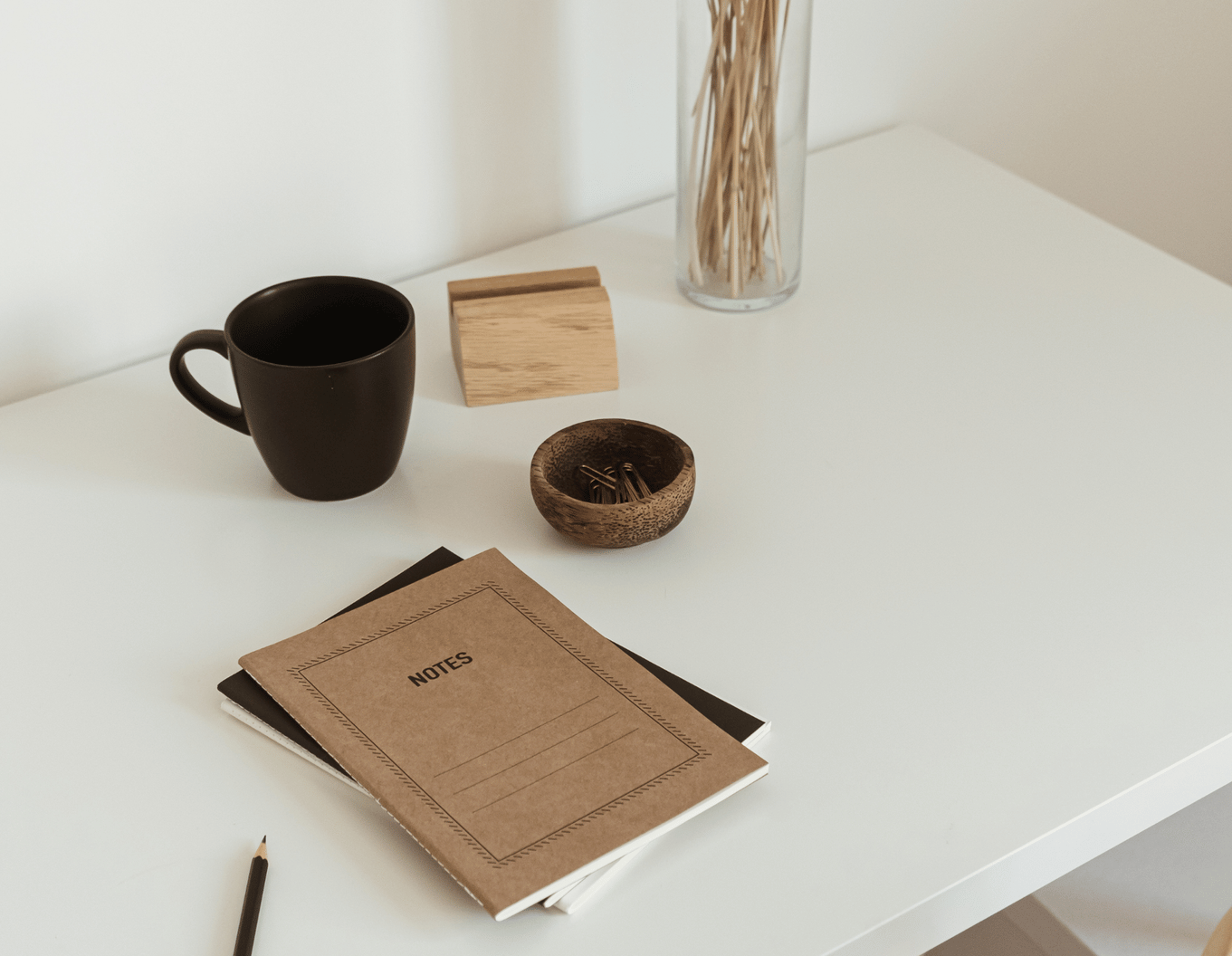
Many luxury brands adopt a minimalistic approach in their design. Clean lines, neutral colors, and simple yet striking designs create an aura of sophistication and restraint, which is highly valued in the luxury market. Elements like logos, color schemes, and typography are consistently used to create an instantly recognizable identity. Think of Chanel’s black and white logo or Hermès’ signature orange. These timeless elements create a strong visual association that remains relevant across generations.
Successful luxury brands foster an emotional connection with their audience by emphasizing craftsmanship, heritage, or exclusivity. Consumers are not just buying a product; they are buying into a lifestyle and a story.
Luxury brands often market themselves as symbols of success, wealth, and sophistication. This aspirational messaging appeals to individuals seeking to enhance their self-image or convey status to others.
Price is less about the actual cost of the product and more about the perception of value. Luxury brands justify their high prices by offering an unparalleled level of quality, service, and experience that goes beyond the product itself.
Together, these characteristics create an aura of prestige, helping luxury brands establish their reputation and appeal to affluent audiences who seek more than just a product—they seek an experience, a status symbol, and a lasting impression.